Latest
Stories from the naughties: Centrometer
Ever since watching Back to the Future, I've fancied myself as a maverick inventor. In 1998 I started a film magazine, which I'll come back to in a future email. In 2007, I came up with an idea to create an instrument that would revolutionise measuring the position of the eyes within a pair of glasses.
Typically these measurements are taken using rulers and marker-pens with a shocking lack of accuracy. Precision is essential for success with varifocals and high-prescription lenses. Poor measurement leads to inaccurate placement of the lenses and is responsible for the vast majority of varifocal intolerances, which has given varifocals a bad rap over the years.
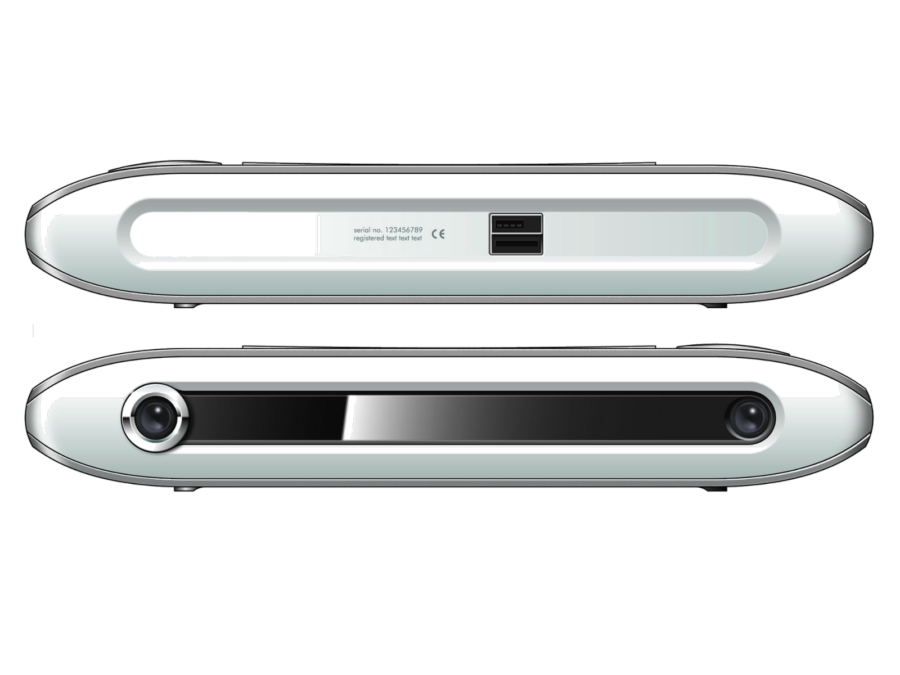
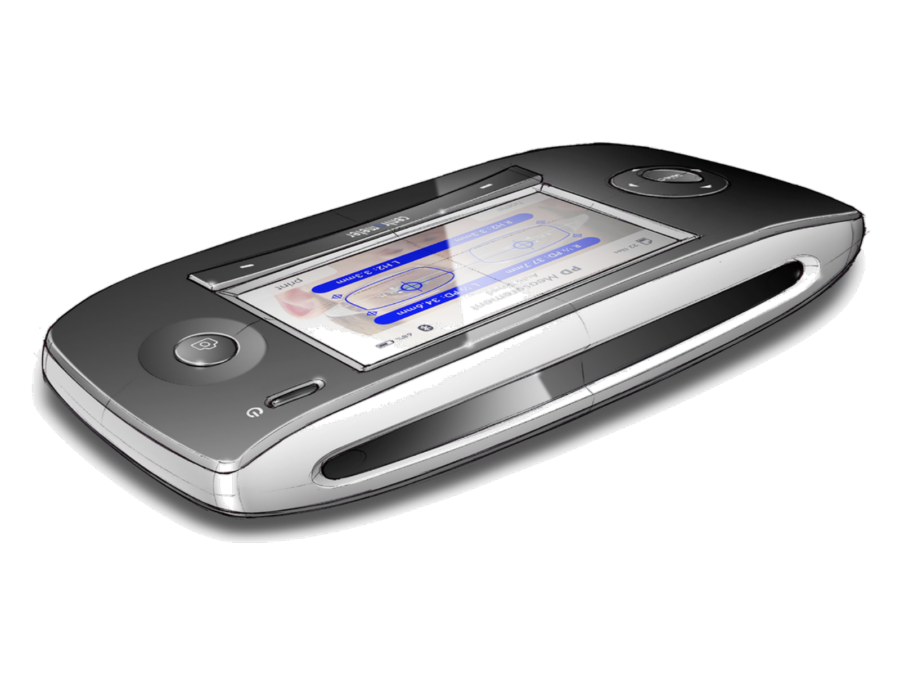
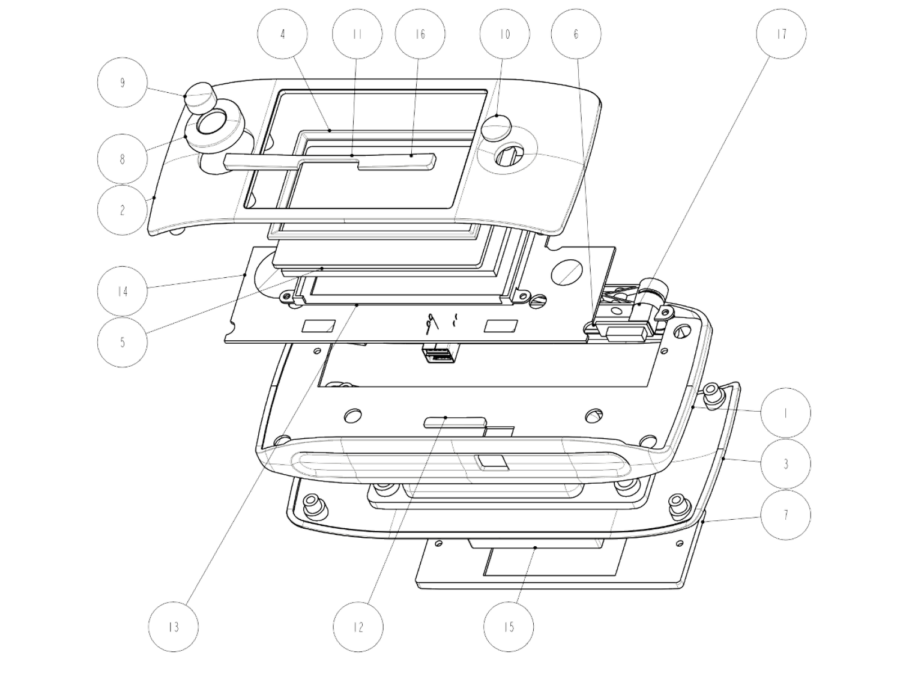
My idea was to create an instrument that would take a digital photo and have an integral computer do some clever processing magic. I called it the Centrometer - a portable, handheld device that Steve Jobs would be proud of. How difficult could that be?
I put together a business plan and pitched it to a few people. After just a few weeks I struck lucky with a friend of a friend who fancied a new challenge. First hurdle achieved - without having to appear on Dragon's Den. I estimated that we'd need around £150,000 for development.
We engaged a product development company that I worked with for a few years and eventually received a shiny prototype that I took, with some trepidation, to Specsavers Head Office, to test the market. I shouldn't have worried - they wanted multiple units per store. If they wanted it, surely every optician in the world would want one too? We'd made it! All our hard work was paying off and we were close to success.
One minor problem - we couldn't make it actually work. The answer to my earlier question “How difficult could that be?” is “extremely”. My dreams of success faded away as we were beset with one problem after another and the costs of development escalated as the months rolled by. My second home would have to wait.
In 2013 we pulled the plug, having spent close to £1.5million of my investor's money.
Meanwhile, Carl Zeiss, the world-renowned lens and optical instrument company, were developing their own version of MY idea, called the iTerminal. ZEISS are responsible for the optical technology in the Hubble telescope and the only optical company to have won an Oscar (for cine lenses used in films). With their 150 years of experience in the optical instruments world and very deep pockets they were probably in a better postion to put together this instrument than I was.
ZEISS also happen to produce the world's finest spectacle lenses and optical instruments so we now use Zeiss lenses as standard. Their lenses can be optimised to the point that we offer a money-back guarantee on progressive lenses.
And as I'm somewhat obsessed with the issue of perfect fitting and lens placement, I've now got my own ZEISS iTerminal, (which I suspect is more accurate than the Centrometer would have been had it worked) and apparently took many tens of millions of dollars in R&D, so how I thought I could come up with a better solution at a fraction of the cost, is beyond me!
We're successfully using the iTerminal for all new glasses and I barely feel any resentment towards it.