Latest
Stories from the Nineties: Inside Film
Have I ever mentioned that I used to be a big shot in the film industry? I doubt it - I haven't thought about this episode in my life for a long time...
It started in 1998 when I saw Sliding Doors at the Odeon Swiss Cottage. I found the central premise of what-if so fascinating that I nearly got run over whilst thinking about it afterwards. I would have loved to have read more about parallel lives, fate and and how seemingly small events can affect our future.
As someone who spent half the time in a film wondering where I'd seen actors before, it would be useful to have a programme for the film, just like at the theatre. Or at football. So why wasn't there a programme for films as well?
My idea started to take shape. I enrolled the help of a recently relocated friend, Richard, so that we could turn my fledgling idea into a business. Like me, he had absolutely no idea how to start a publication. But that didn't stop us.
I was 38 and had moved on from Eye-Tech in Soho. We formed a new company, unimaginatively named A&R Publishing, and took two desks in Primrose Hill's Utopia Village.
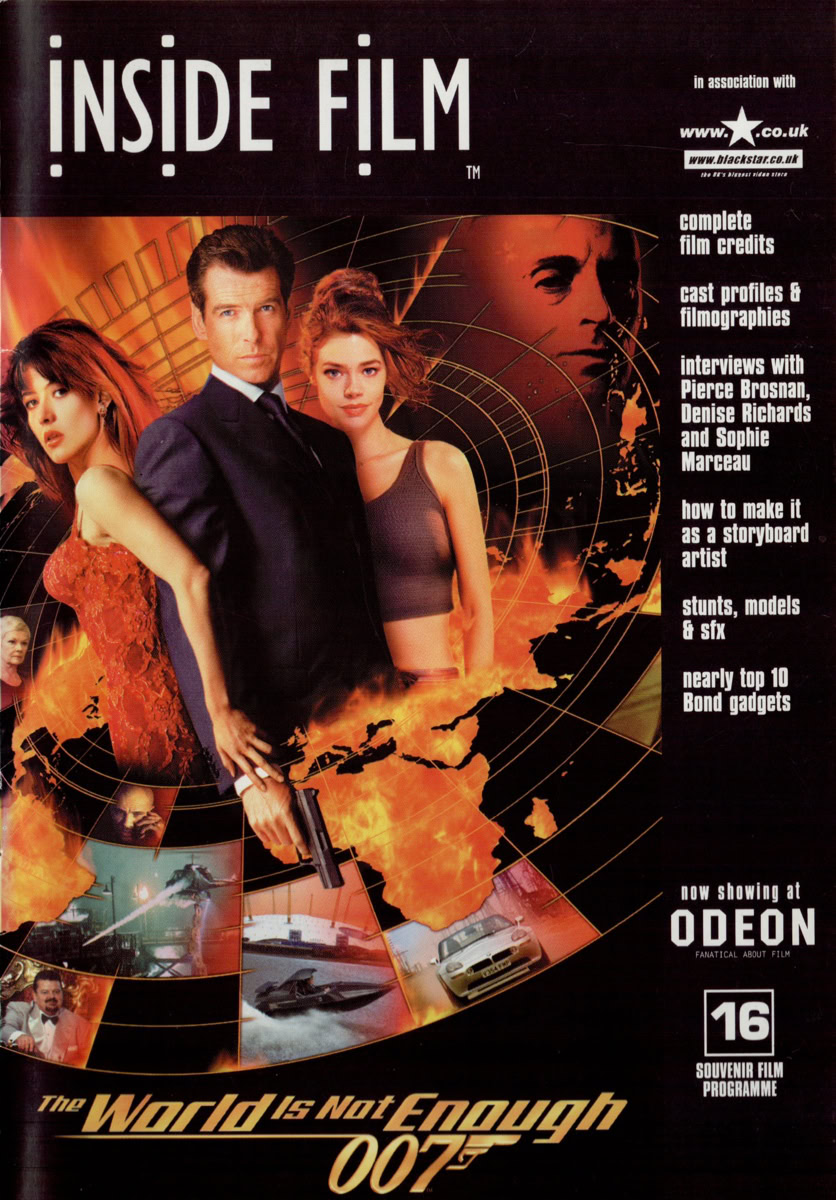
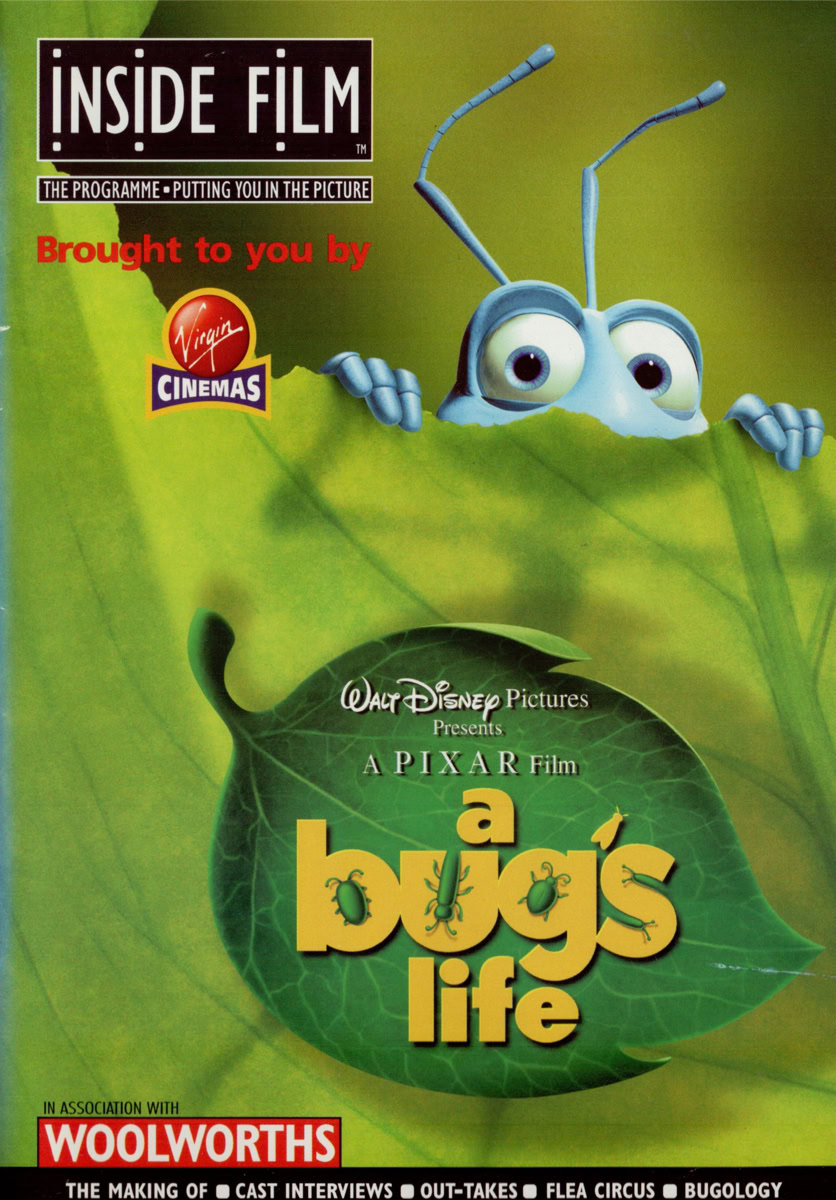
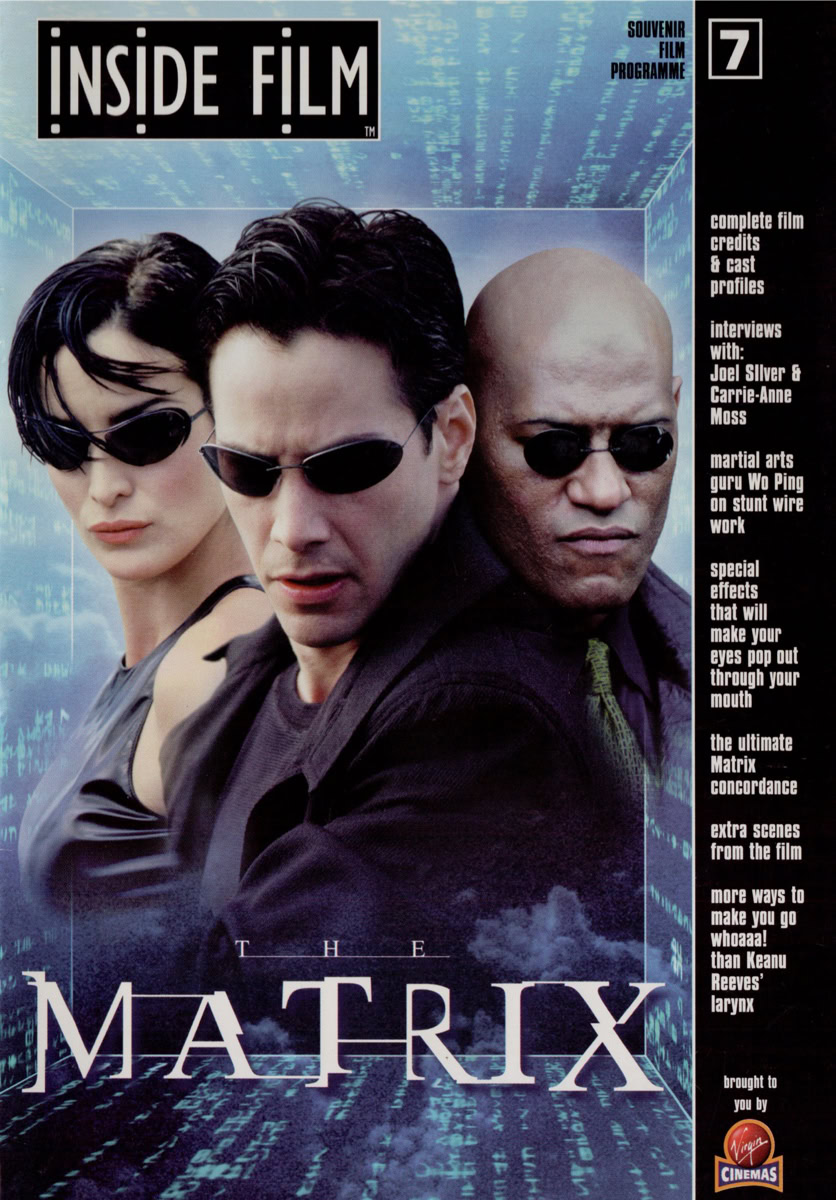
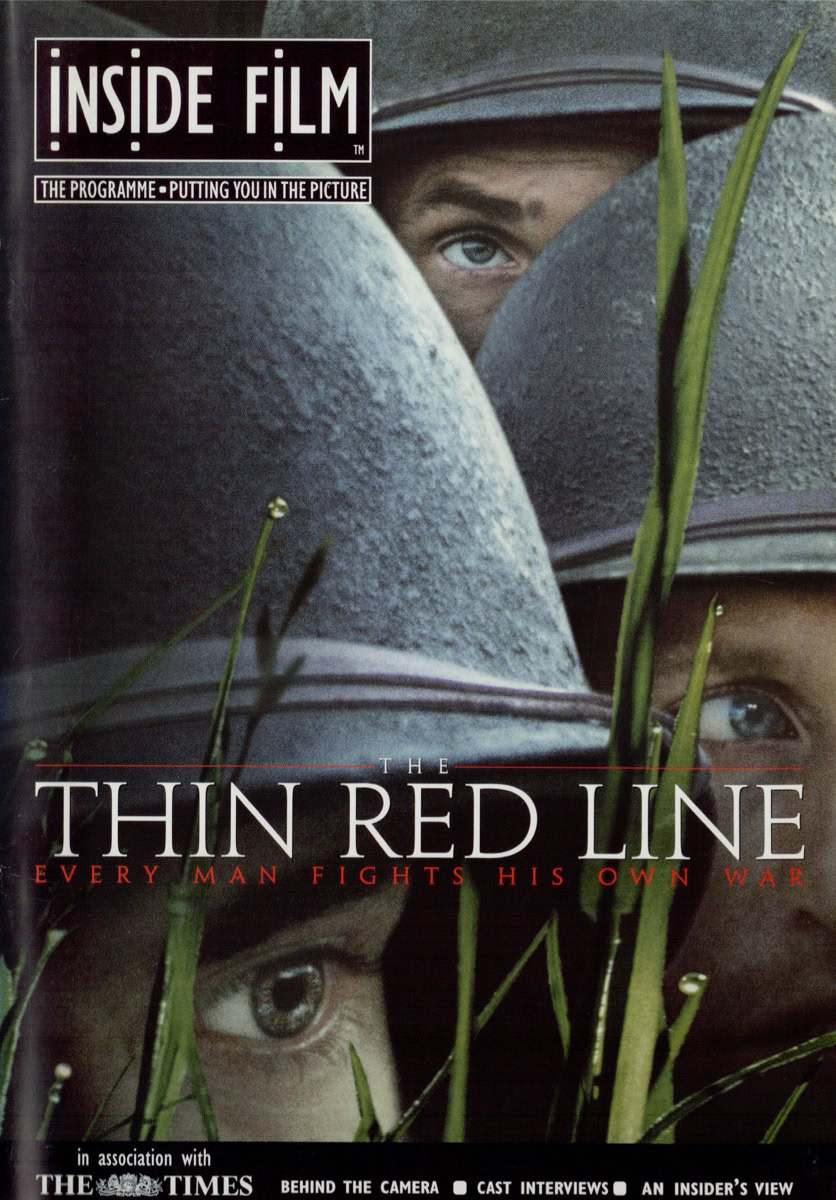
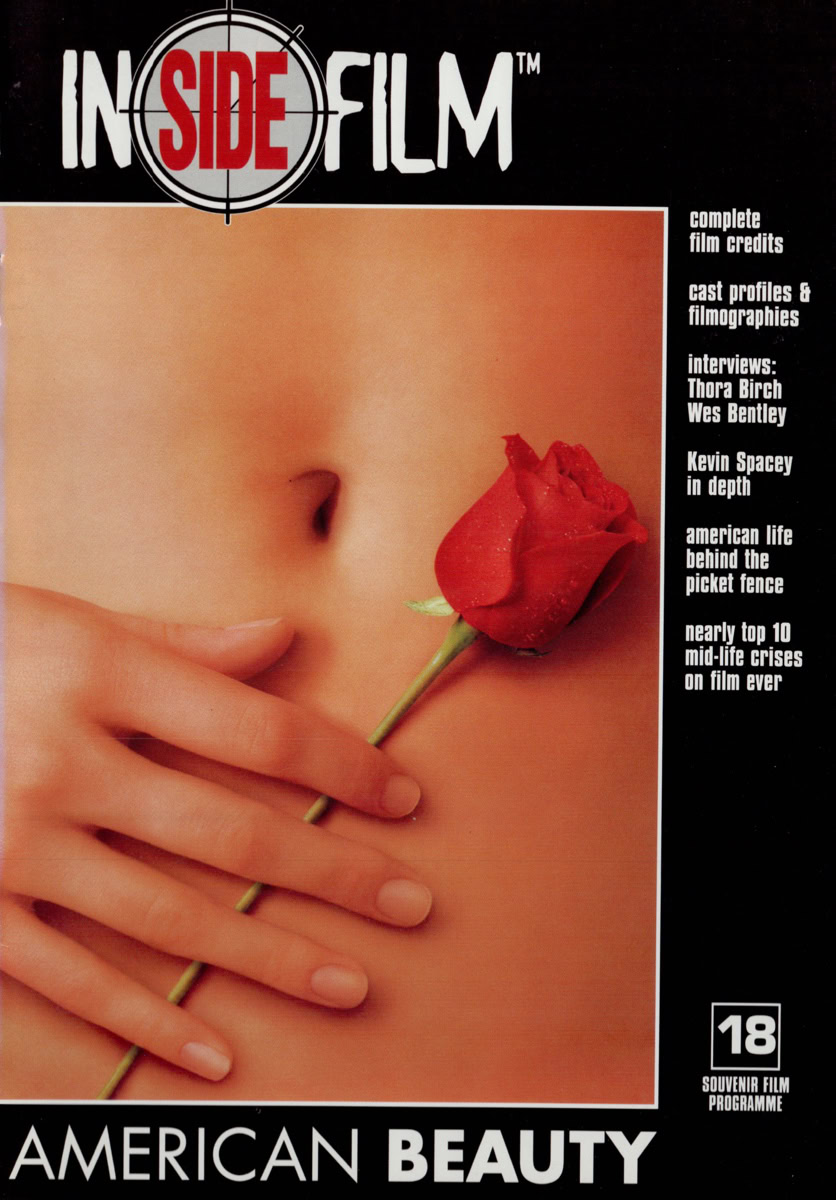
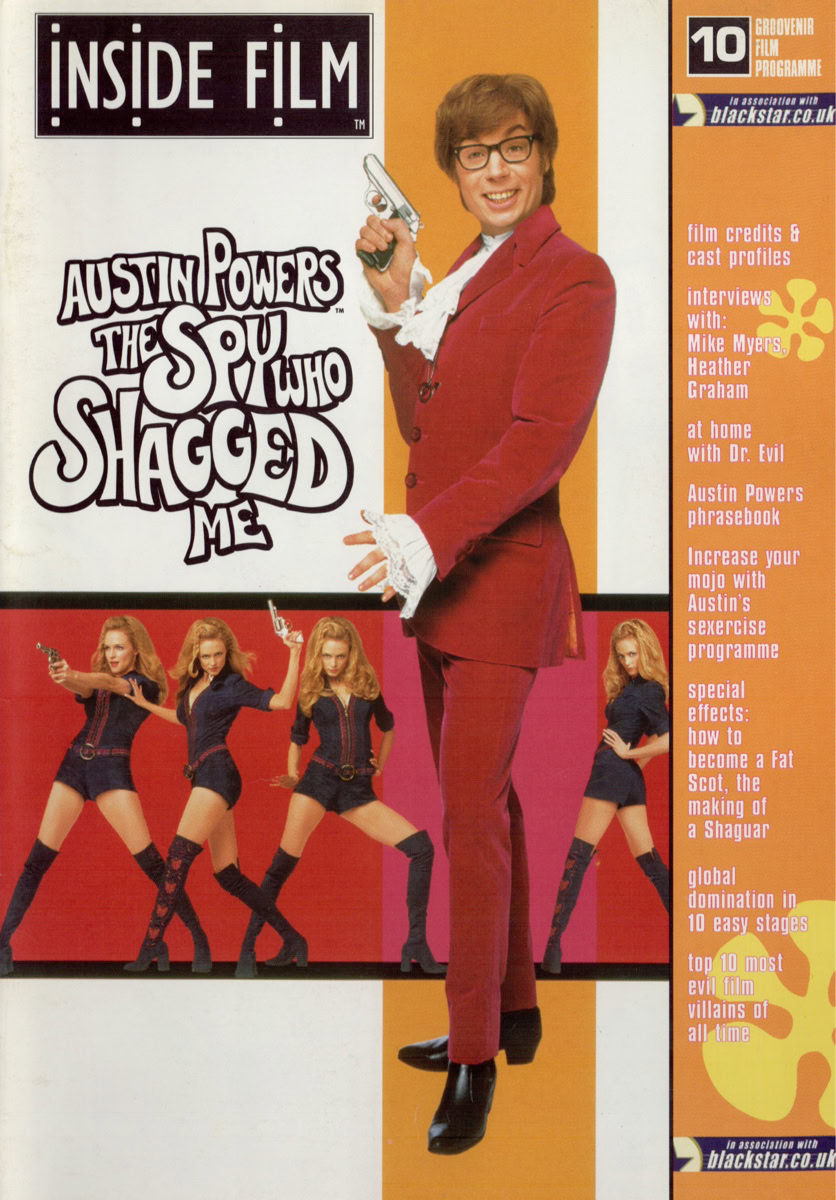
The concept was that we would create one magazine per film, with articles and information specifically about that film, which would be given free to the customer at the same time as their cinema ticket.
I'm sure Richard wouldn't mind if I described him as the gobby one in our partnership. He was (and still is) a very charismatic and loud Glaswegian. He arranged meetings with all these film people whilst I spent hours perfecting which font to use for our email. I'd never known anyone so convincing as him. Great if you're on the same side of the negotiating table.
I fancied myself as the creative genius whose strength was, well, coming up with the idea in the first place but actually having no idea whatsoever what to do next.
All three parties were crucial - we couldn't do anything without the cinemas on board. We needed the film distributors to supply us with their press kits, arrange interviews and, crucially, endorse us; and, of course, advertisers funded the business.
Armed with a mock-up of the magazine, now called INSIDE FILM, we had to convince each party that we had all of the others in place.
The cinemas would benefit as they could add value with the ticket; and the film companies would benefit from our team of journalists writing interesting articles which added kudos to the film by it being worthy of an INSIDE FILM.
The pitch to the advertisers was that they would know which film's audience they were targeting, so it would be far more effective than generic print magazines.
We started with the cinemas. We were dealing with the heads of the cinema chains, not just some bloke in the box office.
We told them that the production companies loved the idea and would be happy participants. And, remarkably, we secured meeting after meeting with the heads of the film distributors and they were actually taking us seriously.
I had no idea what I was doing. I wasn't used to so much bullshitting. Early on, in a meeting with Buena Vista, Disney's distribution arm, we were discussing their upcoming film, A Bug's Life.
At one point the Head of Bueno Vista asked me my opinion on the release date. Why the hell are you asking me?, I thought. "I haven't got a clue. I'm an optician, for God's sake!
We'd got Odeon on board. Their box office staff were trained to say "Here's your ticket and here's your INSIDE FILM". The business started to take off - we were printing and distributing 40,000 copies per film across the country which were received well by all parties, including the cinema-goer. With well over 400 films released each year, we could pick and choose which to cover.
We went from renting two desks in a shared office to having our own office in Utopia Village. It was previously Mayfair Studios where hundreds of artists in the 70s and 80s recorded, including three of my all-time favourites, Bowie, T. Rex and The Who.
We went on a hiring spree. We took on an editor, as we thought at least one person on the team should know something about publishing, we took on a team (yes a team!) of sales people whose job was to convince advertisers to part with five grand per page. We hired writing staff and graphic designers. We decided we needed money and managed to blag it as a multi-million pound business and got huge investment.
We were going to exclusive screenings and premieres. There was even a fancy launch party at the Cannes Film Festival.
As evidence of us getting a bit too big for our boots it was decided that we should conquer New York. Richard went first. I flew over a few days later at Richard's behest as he'd secured a meeting with Miramax. Both brothers were present but best not to dwell on the Weinsteins. This was before they became notorious.
As we grew we were catching the eye of some big industry players and I was becoming aware that I didn't have a role for myself other than swanning around as the company's founder and attending every screening of a new film. I was happy to step down before I got booted out. After all, I still had a very large share of a soon-to-be colossal company. We had raised many millions in investment and my shares were worth a good few million too. On paper at least.
In the early 1990s, no one really knew what the Internet was. OK, Tim Berners-Lee did, and maybe a handful of others too, but I didn't. And I'm willing to bet that you didn't either.
By the end of the century there was an increasing awareness of this thing called the World Wide Web and a new breed of marketing people wanted a piece of 'new media'. Advertisers were throwing their budgets into websites, despite the fact that no one had a clue what was going on.
We'd gone from the hottest ticket in town to dinosaurs overnight. Our advertising revenue went from £70,000 per issue to a grinding halt and by the new millennium the dream was over.
And that was when I realised that I needed to return to what I knew and build something with proper foundations. Even though I'd been a local for years beforehand, having the INSIDE FILM offices in Primrose Hill cemented my love of the area and now there's nowhere else I'd like to be.
So what did I learn? As in Sliding Doors, timing is everything. Had I come up with the idea of INSIDE FILM a few years earlier, there's every chance we wouldn't know each other and you wouldn't be reading this. (Or be able to read this without my help!)